 (855) 813-2105

 View Cart
Horned kratom and Elephant kratom are two unique varieties that aren’t classified by their place of origin, but instead by their leaf shape. Using kratom leaves with distinct morphology, these two kratom strains are said to possess a more robust alkaloid profile than others. The white color vein of both varieties have earned significant traction on the market, known as some of the few choices that could give white Maeng Da a run for its money. But what’s the reality behind White Dragon and White Elephant, and how do they stand up against one another?
 The Origins of White Horn and White Elephant
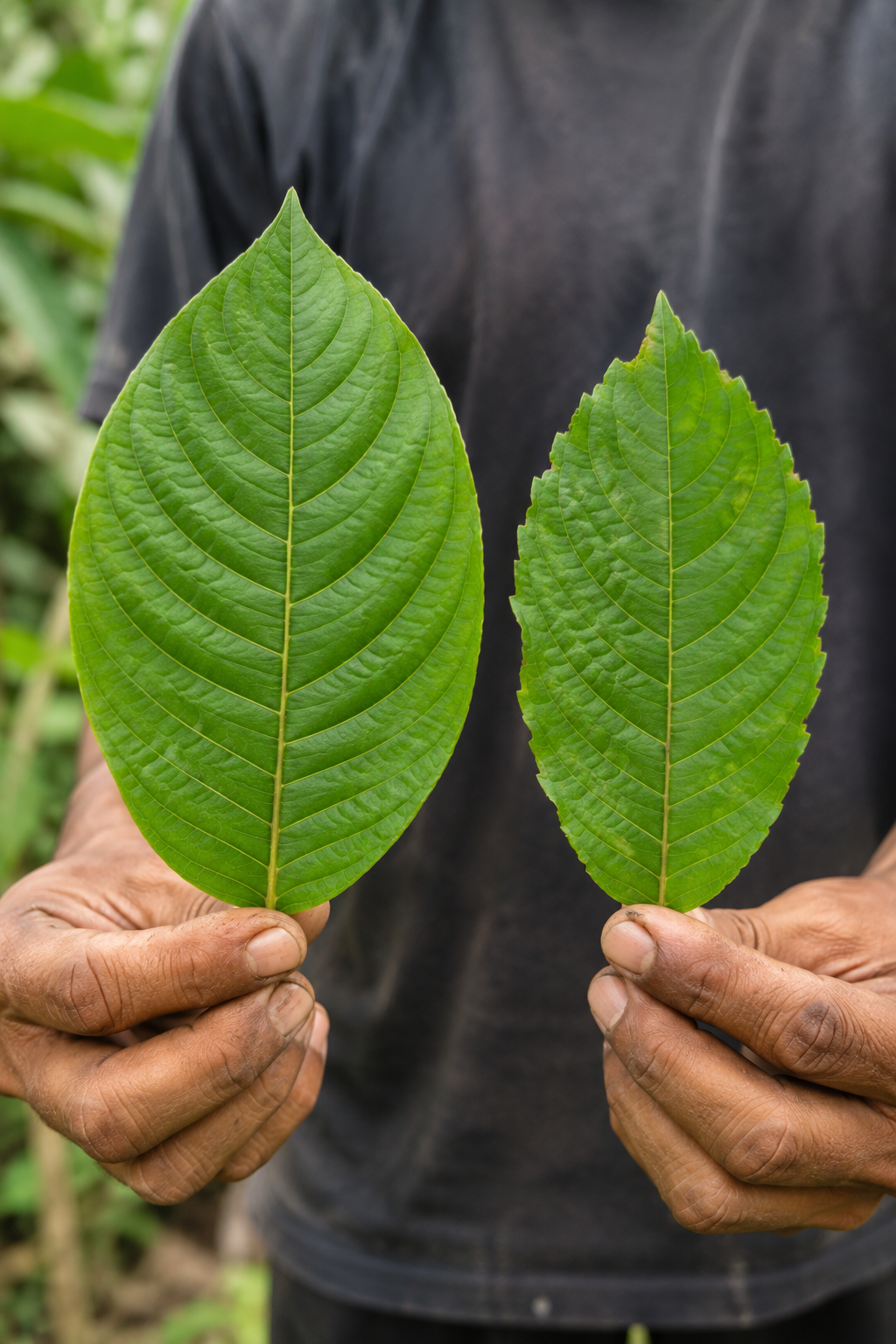
Most kratom strains are named for their place of origin, which explains names like Indo, Borneo, and Vietnam. But Horned kratom and Elephant kratom are outliers, specifically named for the unique shape and qualities of the leaves used to produce each strain.
Horn kratom (also called ‘Horned’ kratom) doesn’t have a specific place of origin, and may come from anywhere in Southeast Asia. What distinguishes this variety from other kratom options is that it uses a specific type of kratom leaf.
Over the course of years of kratom cultivation, farmers were able to identify a unique leaf morphology that possessed rough, serrated edges. These were unlike the average leaves that were smooth and uniformly shaped. Curious about its properties, farmers collected the serrated, horned leaves and sorted them together, drying and curing the distinctive leaves to produce a unique variety.
The resulting kratom product was called ‘Horn kratom’ and is said to possess a stronger alkaloid profile for its leaves’ peculiar shape. Today, Horn kratom is recognized as one of the most concentrated kratom varieties on the market, with its white vein variant being a favorite among shoppers looking for an energetic, stimulating experience.
Similarly, Elephant kratom comes from kratom leaves that possess distinct morphology. Elephant kratom comes from large, floppy top growth, which grows significantly larger versus average leaves because of their access to more sunlight. This large, elephant ear-like appearance is what gives the variety its name.
Like horned kratom, Elephant kratom has a relatively stronger alkaloid expression versus other strains. The white Elephant variety offers a highly stimulating experience that’s ideal for demanding work tasks and even physical exertion.
The Effects of White Elephant vs White Horn Kratom
Both White Elephant and White Horn kratom are leveraged for their stimulating, energizing effects that are described as helpful for daytime use. But despite falling within the same, white vein category, they do have distinct profiles that could cater to different users.
White Elephant
- Energizing, but more subdued and controlled.
- Onset tends to be slower and more gradual.
- Best for situations that call for high levels of concentration and motivation. This productivity-support strain often finds purpose for desk activities.
White Horn Kratom
- More concentrated, provides an energy boost that some users describe as being slightly more ‘physical.’
- Rapid onset of effects that peak just a few minutes after intake.
- Its fast-acting chemistry makes it a solid choice for situations that call for a quick energy boost, and its strong alkaloid profile works well for more physically demanding tasks.
Keep in mind that these are the generally reported effects associated with both of these strains, but the actual properties depend on the specific product you have on hand. Every batch of kratom will be slightly different, which means your overall experience may not be exactly as described here.
Things like alkaloid profile, freshness, and dosage all play a role in how your body responds to kratom, on top of your own tolerance.
 Dosage Guidance for White Elephant vs White Horn
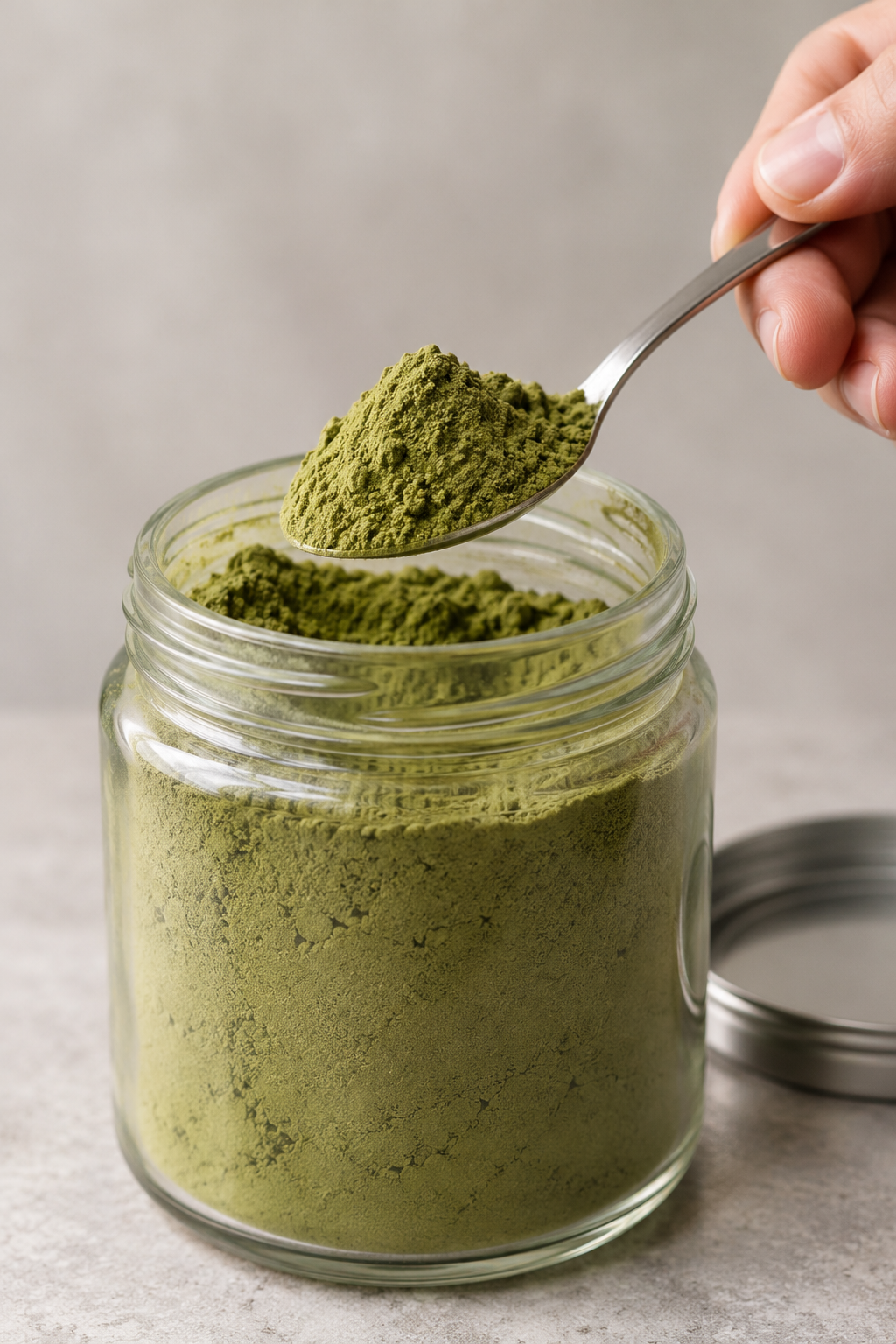
How much of these kratom strains should you actually take? Well, that number isn’t exactly set in stone. A lot of variables can affect your experience with both White Elephant and White Horn, so finding your perfect dose involves a little trial and error.
For kratom powders:
- Start with a single level teaspoon, or 2-3g of powder.
- Allow the product to reach its peak so you can determine how your body responds to its chemistry.
- Wait for the effects to die down completely before taking an adjusted dose.
- If you feel like you could benefit from a higher amount, add 0.5g to 1g of powder to your previous intake.
For kratom capsules:
- Start with a trial dose of 3 to 4 capsules.
- Same as with powders, wait for the effects to peak so you can estimate your body’s response to the specific product.
- If you need to adjust your dose, wait for the effects to wane entirely before taking a second dose.
- Gradually increase succeeding doses by 1 capsule at a time until you reach your desired effect.
Whether you’ve chosen capsules or powder, it’s strongly advised that you avoid taking your trial dosage with any potentiators, food, or drinks. This simply allows you to isolate the kratom’s effects so you can get a more accurate estimate of its properties without the interference of any other intake.
Avoid sudden and steep increases in dosages. See to it that you stick to the lowest effective dose and avoid unnecessarily hiking up your intake. If you feel that your kratom has lost some of its potency after a while, or if it doesn’t take effect like it used to, consider taking a break from kratom use or rotating your available strains.
White Elephant vs White Horn – The Right One for You
All things considered, both White Elephant and White Horn kratom have strong, energizing effects, but their overall ideal purpose may be different. While White Horn kratom might work best for more physically demanding activities, White Elephant’s hyperfocused energy boost provides ideal effects to keep you on track for desk work.
Whatever the case, choosing a high-quality product and measuring the proper dosage will play a big role in your enjoyment of either of these strains. So make sure to shop around, buy only from trusted vendors, and carefully work up to your ideal dosage amount so you can get the best of these white vein varieties.
