 (855) 813-2105
 View Cart
Some kratom varieties are named for the places where they are traditionally associated, while others get their names from the way their leaves look. Elephant kratom belongs firmly in the second category. Instead of being defined by a particular region, Elephant kratom is recognized for the unusually large leaves used to produce it.
But there is more to Elephant kratom than the unusually big leaves that it comes from. Known for its strong alkaloid profile and its prominent potential effects, Elephant kratom finds its place among other hard-hitters like Maeng Da and Horned kratom.
Why is It Called Elephant Kratom?
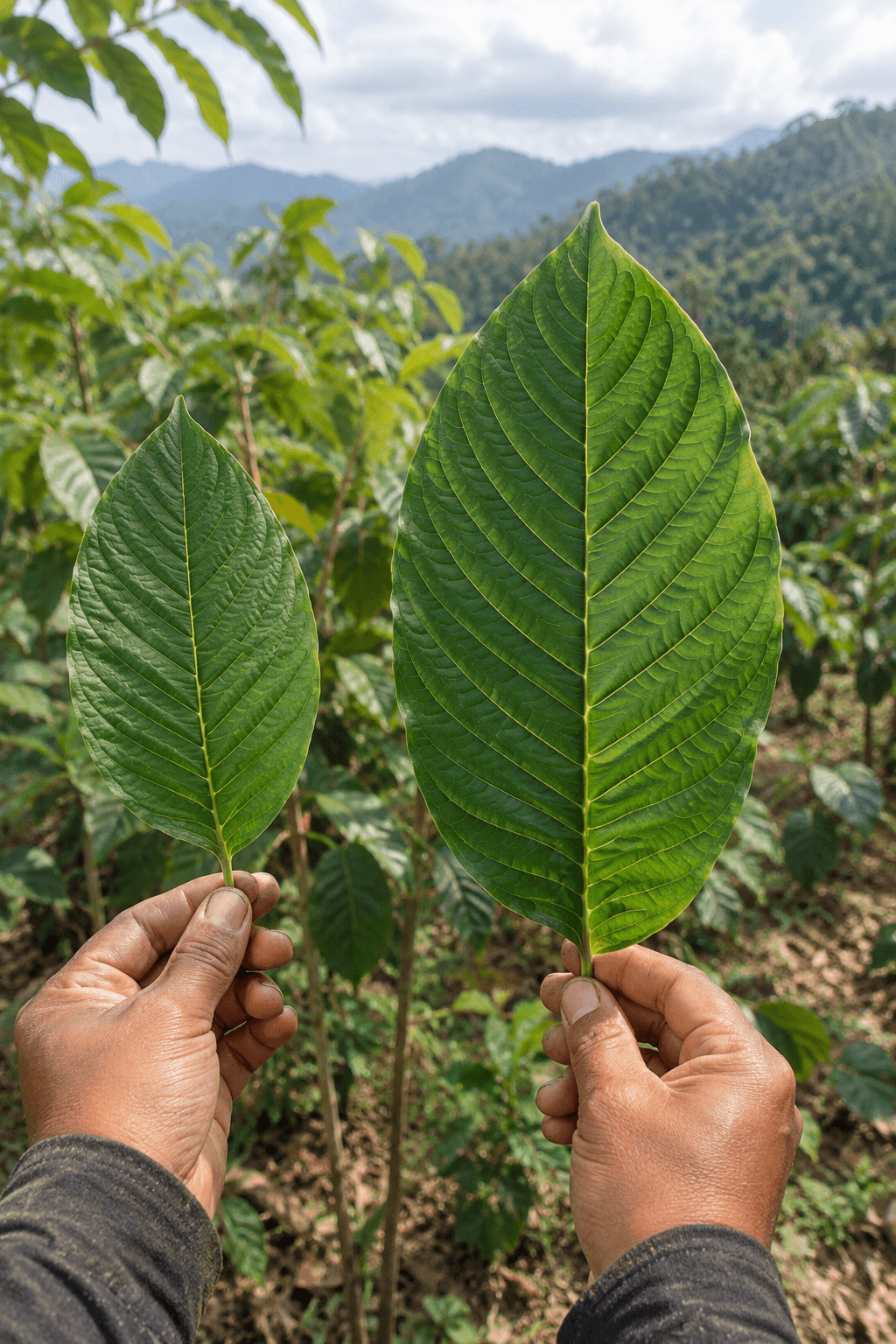
Elephant kratom refers to kratom produced from exceptionally large leaves that can grow considerably bigger than those of typical kratom plants. Their size and broad shape give them a resemblance to elephant ears, which is where the variety gets its name.
Unlike geographically named varieties, Elephant isn’t limited to one particular region of Southeast Asia. Large Elephant leaves can develop on trees across the region and can be associated with several different varieties, including Maeng Da, Bali, Borneo, and Thai kratom.
The exact reason some kratom leaves develop to such an unusual size isn’t completely understood. One explanation is that leaves growing higher up on the tree have greater access to sunlight, air, and space, allowing them to reach a much larger size than leaves growing elsewhere on the plant.
There has also been speculation that these growing conditions may contribute to a more complex alkaloid profile. While there isn’t enough scientific evidence to conclude that, lab reports often show that Elephant kratom samples tend to have elevated alkaloid profiles.
Types of Elephant Kratom: Red, White, and Green
Elephant kratom is primarily distinguished by its morphology, but the variety’s overall properties may change depending on the color of the leaves’ veins during harvest.
The three traditional forms are Red Elephant, Green Elephant, and White Elephant. Like other kratom colors, these are associated with different stages of leaf maturity and processing.
- White Elephant generally occupies the faster side of the Elephant spectrum, although it isn’t necessarily considered one of the most stimulating white varieties.
- Green Elephant sits closer to the middle, offering a balanced experience that brings together a mild to moderate energy boost associated with white vein, together with the soothing effects that reds are typically known for.
- Red Elephant is generally associated with the more relaxed properties of kratom. This variety in particular finds purpose during the end of the day, when users might want to wind down and support a restful evening.
What is Super Elephant Kratom?
Elephant kratom also has a few less common variations, one of which is Super Elephant. Super Elephant is associated with older Elephant leaves and is generally considered a rarer form of the variety, and is believed to use leaves sourced from northwest Sumatra.
Rather than fitting neatly into the traditional red, green, or white categories, Super Elephant is described as having characteristics that can fall between different points on the kratom spectrum.
There is also a Super Green Elephant variety, although it is considerably less common. Because these forms are more specialized and less widely available, they tend to be of greater interest to people who are already familiar with the more common Elephant varieties.
How to Identify Your Ideal Elephant Kratom Dose
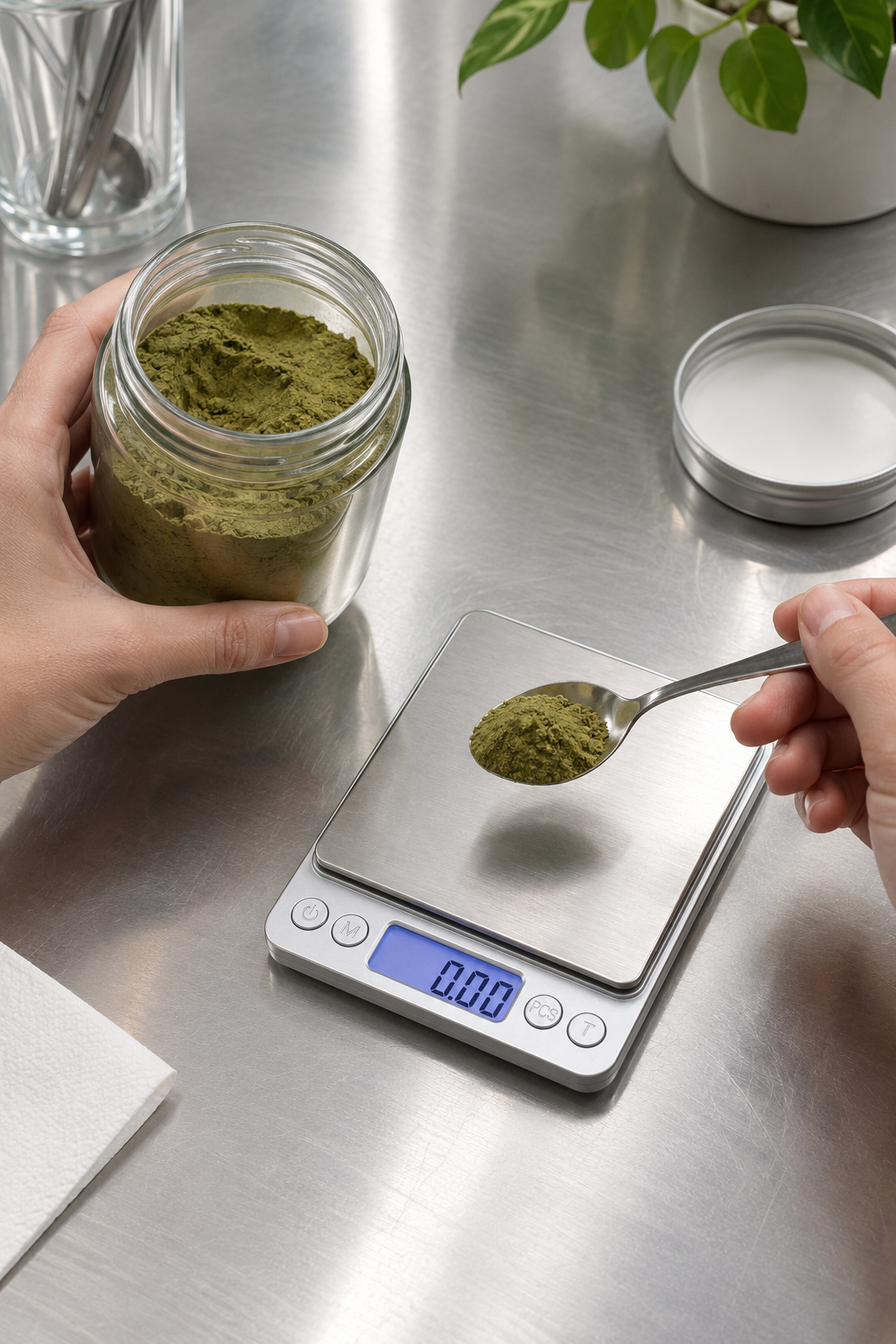 There’s no universal amount of Elephant kratom that works the same way for everyone. Individual sensitivity, previous experience, tolerance, product quality, and the particular Elephant variety being used can all influence how strongly someone responds.
Published vendor recommendations for Elephant products range from relatively small amounts for beginners to considerably larger amounts for experienced users. However, these should be understood as product-specific recommendations rather than standardized dosing guidelines.
If you’re unfamiliar with a particular Elephant product, starting with a small amount between 2-3g is the more cautious approach. Give yourself enough time to get a feel for how that particular product affects you before considering any increase.
It’s also worth remembering that powdered kratom products can vary from batch to batch. Two products carrying the same Elephant designation aren’t necessarily identical in alkaloid content or overall strength. So you may have to begin with a trial dose every time you buy a new Elephant product that you haven’t previously tried.
For kratom capsules, the principles remain the same. Take between 3-4 capsules to start, assess your body’s response, and adjust your dose accordingly. Succeeding dosage increases should not be too significant. Adding 0.5 to 1g for powder doses and/or 1 capsule for capsule users can provide a big enough change in the overall experience.
How to Find Good Quality Elephant Kratom
Elephant kratom presents an interesting problem when it comes to judging quality since its most recognizable feature disappears once the leaves have been dried and ground into powder.
You can’t reliably look at a finished bag of green powder and determine whether the leaves used to make it were genuinely large Elephant leaves. This makes the reputation and quality-control practices of the vendor offering it especially important.
When shopping for Elephant kratom, some things worth looking for include:
- Third-party laboratory testing – Look for products that have been tested for contaminants such as heavy metals and microorganisms, as well as their alkaloid content.
- GMP compliance – Participation in the American Kratom Association’s Good Manufacturing Practices program can provide an additional indication that a vendor follows established manufacturing and quality-control procedures.
- Clear product information – A reputable seller should provide useful information about the variety, color, sourcing, and processing rather than relying entirely on vague claims about potency.
- Good customer reputation – Reviews from independent sources can give you a better idea of whether customers consistently receive products that match their descriptions.
- Proper storage – Kratom should be protected from moisture, excessive heat, and direct sunlight. Poor storage conditions can affect the quality and freshness of powdered kratom over time.
An Unusual Kratom Variety Worth Exploring
Cultivators and farmers take extra steps during Elephant kratom harvest because they need to qualify each leaf based on its size. That also explains why it’s not as common as other varieties, since leaves that meet the Elephant kratom standards are few and far between.
So if you ever get the chance to try this top shelf rarity, don’t pass up the chance. Elephant kratom offers a unique experience with its prominent alkaloid profile and strong effects that easily place it in the big leagues of the industry’s most noteworthy kratom varieties.
